
Best Adhesive for Veneer: Choosing the Right Wood Veneer Glue for Perfect Bonding
by Oliver May 11, 2026
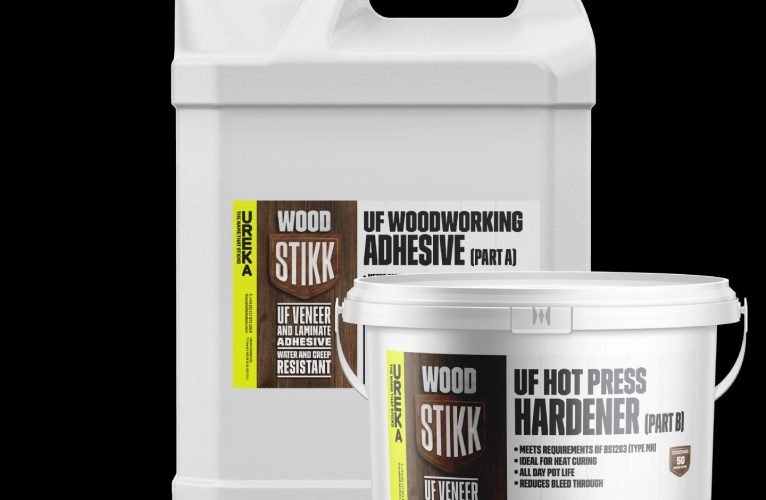
Wood veneer is widely used in furniture manufacturing, interior decoration, cabinetry, and architectural design because it offers the beauty of natural wood while remaining cost-effective and versatile. Veneers create elegant finishes on furniture, wall panels, doors, and decorative surfaces, making them a popular choice for both residential and commercial interiors.
However, achieving a smooth and long-lasting veneer finish depends heavily on selecting the best adhesive for veneer applications. A high-quality wood veneer glue ensures proper bonding, prevents bubbling or lifting, and improves the durability of the finished surface.
Whether you are a professional carpenter, furniture manufacturer, interior designer, or DIY enthusiast, understanding veneer adhesives can help you achieve clean, strong, and professional-quality results.
Wood veneer is a thin layer of natural wood that is attached to a base material such as plywood, MDF, particle board, or solid wood. Veneers provide the appearance of premium hardwood while reducing material costs and improving design flexibility.
Wood veneers are commonly used for:
Because veneer sheets are thin and delicate, proper adhesive selection is critical for maintaining a flawless finish.
The adhesive used for veneer bonding directly affects the strength, appearance, and lifespan of the finished product. Poor-quality glue may cause bubbling, peeling, cracking, or uneven surfaces over time.
A good wood veneer glue should provide:
Using the correct adhesive helps create a professional veneer finish with better durability and visual appeal.
Different types of adhesives are used for veneer applications depending on the project requirements and environmental conditions.
PVA (Polyvinyl Acetate) glue is one of the most common adhesives used for veneer work. It offers strong bonding, easy application, and clean finishing.
Benefits include:
PVA adhesives are ideal for furniture, cabinetry, and indoor veneer applications.
Contact adhesives are often used for large veneer sheets and laminate applications. The adhesive is applied to both surfaces before bonding.
Advantages include:
However, careful alignment is necessary because repositioning after contact is difficult.
This adhesive is commonly used in professional veneer pressing applications because it provides rigid and durable bonds.
Benefits include:
It is frequently used in commercial furniture manufacturing.
Epoxy glue provides strong bonding for specialty veneer applications and damaged surfaces.
It is commonly used for:
When choosing veneer adhesive, several important qualities should be considered.
The glue should create a reliable connection between the veneer and substrate material.
A good adhesive should prevent bumps, bubbles, and uneven surfaces.
Excess glue should not seep through thin veneer layers.
For kitchens, bathrooms, and humid environments, water-resistant adhesives are essential.
Furniture and decorative panels exposed to temperature changes require stable adhesive performance.
Veneer adhesives are widely used in tables, cabinets, wardrobes, and luxury furniture production.
Wall panels, decorative ceilings, and wooden interiors depend on veneer bonding for elegant finishes.
Hotels, offices, and retail stores use veneer surfaces for premium design aesthetics.
Wood veneer glue is commonly used for flush doors and decorative door panels.
Craft enthusiasts and hobbyists use veneer glue for custom furniture and creative projects.
Proper application techniques are essential for achieving professional results.
Ensure the substrate surface is clean, dry, and smooth before applying adhesive.
Spread the glue evenly across the surface to avoid weak spots or bubbling.
Press the veneer firmly using clamps, rollers, or veneer presses for strong bonding.
Carefully smooth the veneer during application to eliminate trapped air pockets.
Follow the manufacturer’s curing recommendations before sanding or finishing.
Usually caused by uneven glue application or insufficient pressure during bonding.
Can result from weak adhesive strength or poor surface preparation.
Excess glue may seep through thin veneers and affect finishing quality.
Improper adhesive flexibility or environmental changes may cause veneer cracking.
The woodworking industry continues to improve adhesive technology with advanced formulations that offer:
These innovations help improve both manufacturing efficiency and environmental sustainability.
Selecting the right glue depends on your specific project requirements.
Outdoor projects require moisture-resistant adhesives.
Natural wood veneers, engineered veneers, and decorative veneers may require different bonding solutions.
Some adhesives are better suited for hand application, while others are ideal for industrial presses.
Large commercial projects may require specialized veneer pressing adhesives.
Choosing the best adhesive for veneer is essential for achieving smooth, durable, and professional-quality woodworking results. A reliable wood veneer glue ensures strong bonding, clean finishing, and long-term durability for furniture, cabinets, wall panels, and decorative interiors.
By selecting the right adhesive and following proper application techniques, woodworkers and interior designers can create elegant veneer surfaces that enhance both beauty and functionality. Whether for professional manufacturing or DIY projects, high-quality veneer adhesives remain a key component of successful woodworking and interior design.

Choosing the right hotel in Jounieh can make a family holiday more comfortable, convenient, and...

Businesses across workshops, factories, warehouses, construction sites, and mining operations need reliable cleaning materials every...

ปัจจุบันการตกแต่งบ้านไม่ได้เน้นเพียงความสวยงามเท่านั้น แต่ยังให้ความสำคัญกับการใช้พื้นที่และความสะดวกสบายมากขึ้นด้วย ร้านเฟอร์นิเจอร์สไตล์โมเดิร์นจึงได้รับความนิยม เพราะมีสินค้าให้เลือกหลากหลายรูปแบบและสามารถนำไปจัดเข้ากับบ้านหลายสไตล์ได้อย่างลงตัว เฟอร์นิเจอร์โมเดิร์นมักมีเส้นสายเรียบง่าย สีที่ดูสะอาดตา และออกแบบโดยคำนึงถึงการใช้งานจริง หากคุณกำลังมองหาเฟอร์นิเจอร์สำหรับห้องนอน ห้องนั่งเล่น ห้องรับประทานอาหาร หรือพื้นที่ทำงาน คุณสามารถเลือกสินค้าให้เหมาะกับขนาดห้องและความต้องการของสมาชิกในบ้านได้ การเลือกเฟอร์นิเจอร์ที่เหมาะสมยังช่วยให้บ้านดูเป็นระเบียบและใช้พื้นที่ทุกส่วนได้อย่างคุ้มค่า เตียงแบบไหนเหมาะกับห้องนอนสไตล์โมเดิร์น? เตียงถือเป็นเฟอร์นิเจอร์ชิ้นสำคัญของห้องนอน...