
Are printed designs more popular in cotton kurti wholesale than solid colors?
by Charlotte Williams January 3, 2026
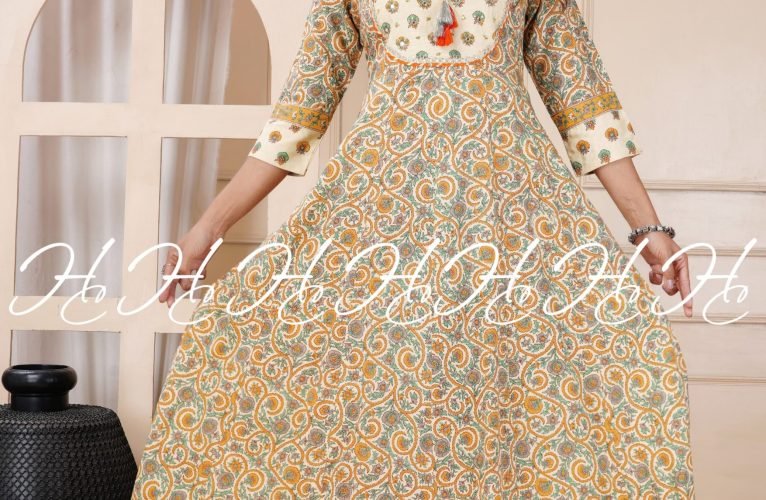
The Indian ethnic wear market continues to grow rapidly, and cotton kurtis remain one of the most demanded categories in women’s fashion. Retailers, boutique owners, and online sellers frequently ask an important question: are printed designs more popular in cotton kurti wholesale than solid colors? The answer is not as simple as choosing one over the other, because both styles serve different customer preferences, seasons, and market segments. However, current buying trends clearly show why printed cotton kurtis often enjoy higher demand in wholesale markets.
Printed designs dominate the cotton kurti wholesale segment for several practical and aesthetic reasons. Indian consumers traditionally prefer prints because they add vibrancy, variety, and cultural expression to everyday wear. Floral motifs, block prints, paisley patterns, geometric designs, and ethnic-inspired prints make cotton kurtis visually appealing without compromising comfort.
Printed kurtis also give retailers more flexibility. A single printed collection can cater to casual wear, office wear, college fashion, and even semi-festive occasions. This versatility increases their sell-through rate, which explains why wholesalers and retailers often stock a higher quantity of printed designs compared to solid colors.
Another key factor is affordability. Printed cotton kurtis usually look rich and detailed even at moderate price points. This allows sellers to offer attractive designs while maintaining healthy margins. As a result, bulk buyers in cotton kurti wholesale often prioritize printed styles to meet customer expectations.
While prints enjoy strong popularity, solid color cotton kurtis have not lost their relevance. In fact, they hold a loyal customer base, especially among working professionals and minimalist fashion lovers. Solid kurtis offer a clean, elegant look and pair easily with printed dupattas, palazzos, or statement accessories.
Solid colors also work well for formal and office environments where subtlety matters. Shades like white, beige, navy blue, maroon, pastel pink, and olive green remain consistent sellers. Many branded kurtis manufacturers in Jaipur continue to include solid collections because they appeal to customers who prefer timeless styles over bold patterns.
However, in wholesale buying behavior, solid colors often sell in smaller quantities per design compared to printed kurtis. Retailers usually stock fewer pieces of each color, while prints are purchased in broader assortments to attract walk-in customers.
Seasonality plays a major role in deciding whether printed or solid cotton kurtis sell better. During summer and spring, printed cotton kurtis dominate the market. Light fabrics combined with colorful prints feel fresh and breathable, making them ideal for hot weather. Bright florals, abstract patterns, and ethnic prints see high demand during these months.
In contrast, solid colors gain popularity during festive seasons and winter collections. Darker tones and earthy shades feel more appropriate for layering and formal styling. Even then, many retailers prefer subtle prints over completely plain designs to maintain visual interest.
From a consumer perspective, printed kurtis offer more perceived value. Customers often feel they are getting a “designed” garment rather than a basic one. This perception influences impulse buying, especially in physical stores. Prints catch attention quickly, making them easier to sell on display racks.
Solid kurtis, on the other hand, require styling imagination. Customers who buy solids usually know how to accessorize or layer their outfits. This means the target audience for solid cotton kurtis is slightly narrower, which impacts bulk demand in cotton kurti wholesale markets.
Jaipur plays a significant role in shaping these trends. Known for its rich textile heritage, the city is famous for block printing, hand printing, and traditional dyeing techniques. Many branded kurtis manufacturers in Jaipur specialize in printed cotton kurtis that blend traditional craftsmanship with modern silhouettes.
These manufacturers continuously innovate with new print combinations, color palettes, and patterns to meet changing fashion demands. Their ability to produce high-quality printed kurtis at competitive prices gives Jaipur-based suppliers an edge in the wholesale market. This further strengthens the dominance of printed designs in cotton kurti wholesale.
Smart retailers rarely choose one style exclusively. Instead, they balance their inventory based on customer demographics. Printed kurtis attract first-time buyers and trend-focused shoppers, while solid colors cater to repeat customers looking for wardrobe essentials.
In online sales, printed kurtis often perform better because visuals matter. Prints photograph well and stand out on digital platforms. Solid kurtis rely more on brand trust and fabric quality, which can be harder to communicate online without physical touch.
So, are printed designs more popular in cotton kurti wholesale than solid colors? In most cases, yes. Printed cotton kurtis enjoy broader appeal, higher visual impact, and faster sales, making them a preferred choice for wholesalers and retailers alike. However, solid color kurtis continue to play an important supporting role, especially for formal wear and minimalist fashion.
tags: cotton kurti wholesale

If you plan to start or expand your ethnic wear business, you must clearly understand...

Choosing the right Braided Wigs is more than selecting a trendy hairstyle. Your face shape...

In today’s fast-paced world, restaurants have evolved far beyond traditional dine-in experiences. From cozy neighborhood cafés to...