
What logistics support do kurti manufacturers provide?
by Charlotte Williams February 7, 2026
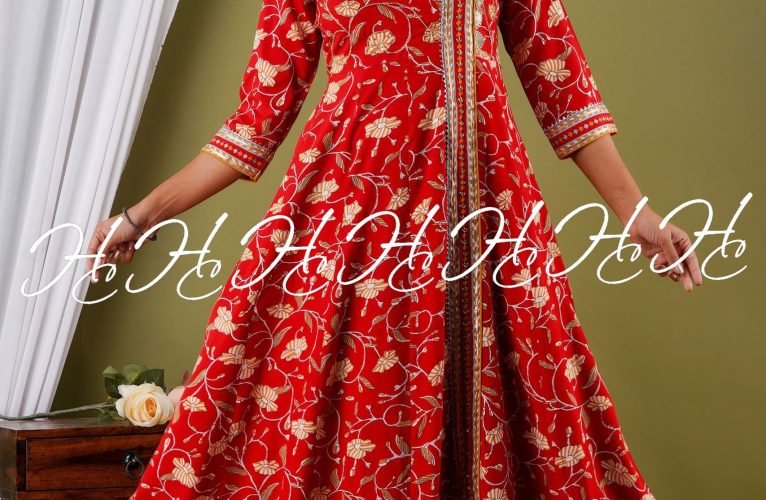
When you work with a kurti manufacturer, you’re not just buying garments — you’re tapping into a logistics ecosystem designed to move products efficiently from production floors to retail shelves. Modern kurti manufacturers understand that strong logistics support is just as important as quality stitching or fabric selection. Buyers today expect speed, transparency, and reliability, and manufacturers have stepped up to meet those expectations.
Let’s explore the types of logistics support kurti manufacturers provide and how these services benefit wholesalers, retailers, and global buyers.
A professional kurti manufacturer in jaipur begins logistics planning long before the garments are packed. Production schedules are aligned with delivery timelines so that finished kurtis move seamlessly into packaging and dispatch. This coordination reduces idle inventory, prevents delays, and helps buyers maintain consistent stock levels.
Manufacturers use internal tracking systems to monitor production stages — cutting, stitching, finishing, and quality checks — ensuring that logistics teams know exactly when shipments will be ready. This proactive planning allows buyers to prepare warehouse space, marketing campaigns, or store launches without uncertainty.
Packaging plays a critical role in logistics. Kurti manufacturers invest in protective packaging to preserve fabric quality, embroidery details, and garment shape during transit. Whether you’re ordering cotton kurtis or heavily embellished Anarkali designs, manufacturers tailor packaging to match the product type.
An experienced anarkali kurti manufacturer in jaipur understands that these garments require extra care. Structured folding, protective layers, and moisture-resistant wrapping prevent damage during long-distance transport. Good packaging minimizes returns and protects the manufacturer’s reputation while ensuring customer satisfaction.
Many buyers place bulk orders, and manufacturers provide logistics systems designed to handle large volumes efficiently. Inventory management teams label, categorize, and palletize shipments for quick identification and smooth warehouse operations.
Some manufacturers also offer temporary warehousing, allowing buyers to stagger deliveries instead of receiving all goods at once. This flexibility helps retailers manage storage costs and seasonal demand fluctuations. Accurate inventory documentation further reduces confusion during customs clearance or distribution.
Reliable domestic shipping is essential for businesses operating within India. A kurti manufacturer in jaipur often partners with established logistics providers to ensure fast and safe delivery across cities and states. These partnerships allow manufacturers to offer multiple shipping options based on urgency and budget.
Real-time tracking is increasingly common, giving buyers visibility into shipment progress. When delays occur due to weather or regional disruptions, logistics teams actively communicate updates and alternative solutions. This transparency builds trust and long-term business relationships.
International buyers rely heavily on manufacturers to navigate export logistics. From preparing invoices and packing lists to coordinating freight forwarding, manufacturers simplify what can otherwise be a complex process.
An established anarkali kurti manufacturer in jaipur typically maintains relationships with export agents and customs professionals. These partnerships ensure compliance with international trade regulations, reducing the risk of shipment holds or penalties. Manufacturers also advise buyers on shipping modes — air freight for speed or sea freight for cost efficiency — depending on order size and urgency.
Logistics support isn’t limited to shipping; it includes pre-dispatch quality assurance. Manufacturers inspect garments to confirm sizing consistency, stitching durability, and finishing standards before packaging. Catching issues early prevents costly returns and protects brand reputation.
Quality control teams also verify labeling accuracy, which is especially important for export shipments. Proper labeling ensures smooth customs processing and helps retailers organize stock efficiently upon arrival.
Retail cycles and fashion seasons move quickly. Manufacturers respond by offering flexible delivery scheduling that aligns with buyer timelines. Whether you need staggered shipments, urgent dispatch, or consolidated deliveries, logistics teams adapt to your operational needs.
This flexibility benefits boutiques preparing for festive seasons, wholesalers managing multi-location distribution, or online sellers coordinating launch campaigns. Timely deliveries help businesses maintain momentum and customer satisfaction.
Strong logistics support continues even after shipments leave the factory. Manufacturers maintain open communication channels to resolve transit issues, coordinate replacements, or provide tracking updates. This ongoing support reassures buyers that help is available if unexpected challenges arise.
Professional logistics teams also collect feedback to refine future shipping processes. Continuous improvement helps manufacturers deliver faster, safer, and more reliable logistics services over time.
Efficient logistics reduce operational stress for buyers. When manufacturers manage packaging, documentation, and shipping coordination, retailers can focus on marketing, sales, and customer engagement. Reliable logistics also improve brand perception, as customers receive products in excellent condition and on time.
In competitive fashion markets, speed and consistency often determine success. Manufacturers that invest in logistics infrastructure help their partners stay ahead of demand and respond quickly to trends.
Kurti manufacturers today function as logistics partners, not just garment suppliers. From integrated production planning to export documentation and post-dispatch support, they create systems that move products smoothly across local and global markets.
tags: kurti manufacturer in jaipur

Braid wigs have become a popular choice for people who want stylish, low-maintenance hair without...

Finding a reliable supplier can make or break your boutique business, especially when you specialize...
Jaipur is a city that feels like a living museum. From honey-colored forts perched on...