
Parametric Bench and Parametric Chair: Redefining Contemporary Furniture Design
by Oliver June 12, 2026
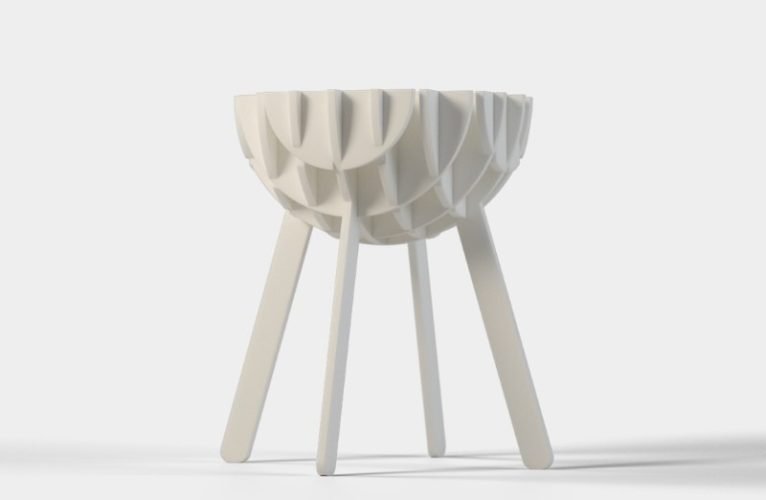
The furniture industry is experiencing a remarkable transformation driven by digital innovation, computational design, and advanced manufacturing technologies. Among the most exciting developments in this space are the parametric bench and parametric chair, two furniture categories that showcase the power of algorithm-driven design. These pieces combine aesthetics, functionality, and customization in ways that traditional furniture design cannot achieve.
As architects, interior designers, and furniture manufacturers continue to embrace computational tools, parametric furniture is becoming a defining element of modern spaces. Whether used in public installations, residential interiors, commercial environments, or outdoor landscapes, a parametric bench or parametric chair offers a unique blend of artistic expression and practical performance.
Parametric furniture is created using computational design software that allows designers to establish specific parameters and rules. These parameters may include dimensions, ergonomics, material properties, structural requirements, and environmental factors. Once the rules are defined, the software generates design variations that adapt automatically when any parameter changes.
This process enables designers to create furniture that is highly customized while maintaining efficiency and structural integrity. The result is furniture that responds intelligently to user needs and spatial constraints.
Among the most popular examples of this design approach are the parametric bench and parametric chair, both of which demonstrate how digital design can transform everyday furniture into functional works of art.
A parametric bench is more than just a seating solution. It is often designed as a sculptural element that enhances the visual appeal of its surroundings. Characterized by flowing curves, intricate patterns, and organic forms, these benches can be found in parks, airports, museums, universities, and modern commercial spaces.
One of the key advantages of a parametric bench is its adaptability. Designers can modify the length, curvature, seating capacity, and structural components without redesigning the entire piece from scratch. This flexibility makes it ideal for projects that require customized solutions for unique spaces.
Additionally, parametric benches are frequently manufactured using CNC cutting, laser cutting, or robotic fabrication techniques. These technologies allow designers to bring complex geometries to life with remarkable precision.
The visual impact of a parametric bench often makes it a focal point in public environments. Its organic form encourages interaction while providing both comfort and functionality.
Just as the parametric bench is revolutionizing public seating, the parametric chair is reshaping modern interior design. A parametric chair uses computational modeling to create forms that are both ergonomic and visually distinctive.
Traditional chair design often involves balancing comfort, aesthetics, and structural stability through manual iterations. Parametric design streamlines this process by allowing designers to optimize all these factors simultaneously. The result is a chair that conforms more effectively to human anatomy while maintaining a striking appearance.
A parametric chair can be customized based on user preferences, body dimensions, or specific design requirements. This level of personalization makes it particularly attractive for luxury interiors, office spaces, hospitality projects, and custom furniture collections.
Many contemporary designers use parametric techniques to create chairs that feature fluid lines, lightweight structures, and innovative material usage. These qualities make the parametric chair a symbol of forward-thinking design and technological advancement.
Both the parametric bench and parametric chair offer numerous advantages compared to conventional furniture.
Parametric design allows furniture dimensions and configurations to be adjusted instantly. This ensures that each piece fits perfectly within its intended environment.
Computational design tools optimize material usage, reducing waste during production. This contributes to more sustainable manufacturing practices.
The complex geometries generated through parametric modeling create unique visual identities that stand out in both indoor and outdoor settings.
Designers can use data-driven methods to refine seating comfort, ensuring that each parametric chair or parametric bench provides a superior user experience.
Once a parametric model is created, it can generate multiple design variations without requiring a complete redesign, making production more efficient.
The versatility of parametric furniture has led to widespread adoption across various sectors.
In public spaces, a parametric bench can serve as both seating and public art, enhancing the overall experience of visitors. In corporate offices, parametric benches can create collaborative environments while reinforcing a company’s modern design identity.
Similarly, the parametric chair has become a popular choice for residential interiors, coworking spaces, hotels, and luxury retail environments. Its ability to combine comfort with visual sophistication makes it suitable for a wide range of applications.
As digital fabrication technologies continue to evolve, the future of parametric furniture looks incredibly promising. Advances in artificial intelligence, generative design, and sustainable materials will further expand the possibilities for creating innovative furniture solutions.
Future designs may incorporate smart materials that adapt to environmental conditions or user preferences. This could lead to parametric benches and parametric chairs that actively respond to how they are used, creating a more dynamic interaction between people and furniture.
The rise of the parametric bench and parametric chair represents a significant shift in furniture design. By combining computational intelligence with creative expression, these innovative pieces offer unparalleled customization, sustainability, and visual appeal.
As architects and designers continue to push the boundaries of digital design, parametric furniture will play an increasingly important role in shaping the spaces of tomorrow. Whether used in public landscapes or contemporary interiors, a parametric bench or parametric chair demonstrates how technology and design can work together to create truly extraordinary furniture.

French furniture has long been associated with elegance, craftsmanship, comfort, and timeless design. From beautifully...

A successful office environment depends on more than attractive interiors. The right furniture can improve...

Choosing the right metal supplier can directly affect the quality, cost, and success of your...