
Joining Tape for Artificial Grass & Wood Veneer Adhesive: Essential Solutions for Durable and Professional Finishes
by Oliver May 4, 2026
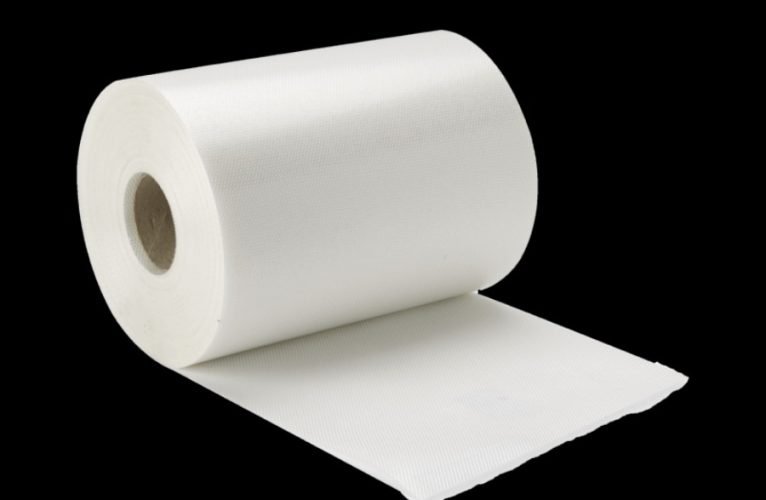
In the world of home improvement and construction, choosing the right materials and adhesives plays a crucial role in achieving long-lasting and visually appealing results. Whether you are working on landscaping or interior design, products like joining tape for artificial grass and wood veneer adhesive are indispensable. These solutions ensure strong bonding, seamless finishes, and durability across different applications.
Adhesives are often overlooked, yet they are the backbone of many installations. From securing artificial turf to bonding delicate wood veneers, the right adhesive can make a significant difference in performance and longevity.
Using high-quality joining tape for artificial grass ensures that turf sections remain intact and visually seamless. Similarly, a reliable wood veneer adhesive helps maintain the integrity and appearance of wood surfaces, preventing peeling or warping over time.
Joining tape for artificial grass is a specialized material used to connect two pieces of artificial turf. It is typically placed beneath the seams, providing a stable base for adhesive bonding.
This tape is designed to withstand outdoor conditions, including moisture, temperature changes, and foot traffic. By using joining tape for artificial grass, you can achieve a smooth and natural-looking lawn without visible gaps or uneven edges.
There are several advantages to using joining tape for artificial grass:
These benefits make joining tape for artificial grass an essential component for any turf installation project.
Wood veneer adhesive is specifically designed to bond thin layers of wood (veneers) to surfaces such as plywood, MDF, or particleboard. Veneers are often used in furniture and interior design to achieve a premium wood finish without the cost of solid wood.
A high-quality wood veneer adhesive ensures a strong and even bond, preventing bubbles, cracks, or detachment. It also enhances the overall appearance of the finished product.
There are different types of wood veneer adhesive available, depending on the application:
Choosing the right wood veneer adhesive depends on the project requirements and environmental conditions.
Proper application is key to achieving the best results with both joining tape for artificial grass and wood veneer adhesive.
Following these steps ensures a professional and durable finish.
When working with joining tape for artificial grass and wood veneer adhesive, avoid these common mistakes:
Avoiding these errors will help maintain the quality and durability of your work.
The environment plays a key role in selecting the right materials. Joining tape for artificial grass must be weather-resistant for outdoor use, while wood veneer adhesive should be chosen based on whether the project is indoors or exposed to moisture.
For outdoor turf installations, durability and resistance are crucial. For indoor veneer work, aesthetics and smooth bonding are more important.
To ensure long-lasting results, regular maintenance is essential. Inspect artificial grass seams periodically to ensure the joining tape for artificial grass remains secure. Clean the turf to prevent debris buildup.
For wood surfaces, avoid excessive moisture and heat, as these can weaken the wood veneer adhesive over time. Proper care will help preserve the appearance and strength of the material.
Both joining tape for artificial grass and wood veneer adhesive are vital for achieving professional results in landscaping and interior projects. While one ensures seamless and durable turf installations, the other provides strong and aesthetically pleasing wood finishes.
By selecting high-quality materials, applying them correctly, and maintaining them properly, you can enhance the durability and appearance of your projects. Whether you are working outdoors or indoors, the right adhesive solutions make all the difference in delivering long-lasting and visually impressive results.

Ant infestations may seem minor at first, but they can quickly become a serious problem...

In today’s competitive travel industry, your website acts as the digital storefront of your business....

A bright and confident smile can improve your overall appearance and self-esteem. Many people look...