
Exploring the Legacy of Iconic Design Movements in Contemporary Interiors
by Jack Brown June 19, 2026
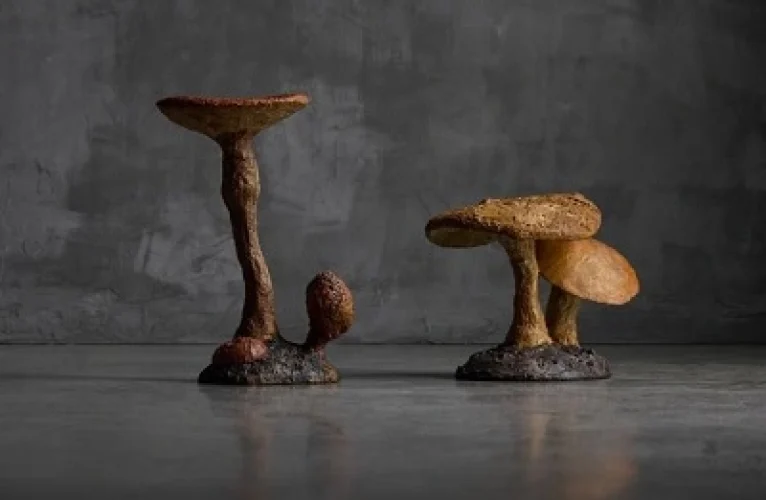
Interior design is a reflection of culture, history, craftsmanship, and innovation. While trends may change over time, certain design philosophies and creative movements continue to influence the way people decorate and experience their living spaces. From handcrafted traditions to groundbreaking modernist concepts, these influences have shaped contemporary interiors in remarkable ways. Understanding these timeless inspirations provides valuable insight into the evolution of furniture, architecture, and decorative arts.
One of the most influential cultural expressions in design is Folk art. Rooted in local traditions and community craftsmanship, Folk art represents creativity that emerges from everyday life rather than formal artistic institutions. Its handcrafted details, vibrant character, and cultural symbolism continue to inspire designers seeking authenticity and individuality in modern interiors. The enduring appeal of Folk art lies in its ability to tell stories while creating emotional connections within a space.
Closely related to traditional craftsmanship is Vernacular design. Unlike styles developed through academic theories, Vernacular architecture and furniture evolve naturally from local resources, environmental conditions, and cultural practices. The principles of Vernacular design are increasingly relevant today as designers focus on sustainability, functionality, and regional identity. Its practical approach demonstrates how beautiful spaces can emerge from simple and thoughtful solutions.
The influence of Alpine Design is particularly evident in interiors that emphasize warmth, comfort, and natural materials. Inspired by mountain environments, Alpine Design often features wood, stone, and cozy textures that create inviting atmospheres. Alongside this aesthetic, the charm of Rural living continues to inspire homeowners seeking a slower and more meaningful lifestyle. The simplicity associated with Rural environments encourages designs that prioritize authenticity over excess.
A key component of these interiors is the use of Rustic Furniture. Known for its natural beauty and handcrafted quality, Rustic Furniture highlights the unique character of wood and traditional craftsmanship. Its enduring popularity reflects a growing appreciation for furniture that feels genuine, durable, and connected to nature. Whether incorporated into traditional homes or contemporary spaces, Rustic Furniture offers timeless appeal.
Architectural theory has also contributed significantly to modern design. The work of Dom Hans van der Laan remains highly respected for its focus on proportion, scale, and spatial harmony. Through his innovative ideas, Dom Hans van der Laan demonstrated how architecture could create environments that feel naturally balanced and comfortable for human experience. His principles continue to influence designers seeking to achieve visual and functional harmony.
Another philosophy that has profoundly impacted contemporary interiors is Wabi Sabi. Originating in Japan, Wabi Sabi embraces imperfection, simplicity, and the beauty of natural aging. Rather than pursuing flawless appearances, Wabi Sabi encourages appreciation for authenticity and the passage of time. This philosophy resonates strongly with modern homeowners who value meaningful design over superficial perfection.
Among Europe’s most distinctive architectural movements is the Amsterdamse School. Known for expressive forms, artistic craftsmanship, and imaginative details, the Amsterdamse School challenged conventional architectural norms and inspired new creative possibilities. Its emphasis on individuality and artistic expression continues to influence contemporary architecture and interior design.
At the same time, Art Deco emerged as a symbol of sophistication and luxury. Defined by geometric patterns, bold forms, and premium materials, Art Deco transformed design during the early twentieth century. Even today, elements inspired by Art Deco remain popular in interiors that seek elegance, glamour, and visual impact.
The modern design landscape would be incomplete without the influence of Mid-Century Design. Renowned for clean lines, functional forms, and innovative use of materials, Mid-Century Design revolutionized furniture and architecture. Its emphasis on practicality and simplicity continues to resonate with contemporary audiences, making Mid-Century Design one of the most enduring styles in modern history.
Global perspectives have further enriched interior design through movements such as Brazilian Design. Celebrated for its organic forms, rich textures, and connection to nature, Brazilian Design successfully combines modernism with warmth and craftsmanship. This unique approach has influenced designers worldwide and continues to inspire elegant yet comfortable living environments.
The contributions of visionary furniture designers remain central to contemporary design culture. Pierre Chapo is admired for his masterful woodworking and commitment to structural integrity. His creations showcase how simplicity and craftsmanship can produce furniture of lasting value. Similarly, Charlotte Perriand transformed modern interiors by designing pieces that seamlessly balanced functionality and sophistication.
The work of Jean Prouvé introduced engineering innovation into furniture and architecture. By combining technical expertise with creative vision, Jean Prouvé developed designs that remain highly relevant today. His legacy demonstrates the power of thoughtful construction and practical elegance.
Italian design has also left a significant mark on modern interiors. The creative partnership of Afra & Tobia Scarpa produced furniture and architectural works celebrated for their innovation and refined craftsmanship. Their designs continue to inspire contemporary creators who seek to merge tradition with modernity.
Another influential figure is Mario Bellini, whose groundbreaking furniture designs have become internationally recognized. His ability to combine comfort, flexibility, and visual appeal has earned him a lasting place in design history. One of his most famous creations, the Camaleonda, exemplifies modular design at its finest. The versatility and comfort of the Camaleonda continue to make it a favorite among designers and homeowners alike.
The legacy of Nakashima highlights the importance of respecting natural materials. His furniture celebrates the individuality of wood, preserving its organic beauty rather than concealing it. Through this approach, Nakashima elevated furniture making into an art form while promoting sustainability and craftsmanship.
Likewise, Pierre Jeanneret remains an iconic figure in modern furniture design. The timeless simplicity and functionality of Pierre Jeanneret creations have made them highly sought after in both residential and commercial interiors. His work continues to inspire contemporary designers around the world.
At the heart of many of these movements lies the concept of Functional Art. This philosophy recognizes that practical objects can also possess artistic value. By merging utility with creativity, Functional Art encourages designers to create furniture and interiors that enrich everyday life while maintaining visual excellence.
Modern brands such as goldwoodbyboris understand the importance of preserving these design traditions while adapting them for contemporary lifestyles. By drawing inspiration from movements like Wabi Sabi, Mid-Century Design, and Art Deco, they contribute to a design culture that values authenticity, craftsmanship, and innovation.
As the world of interiors continues to evolve, the influence of pioneers such as Pierre Chapo, Charlotte Perriand, Jean Prouvé, Mario Bellini, Nakashima, and Pierre Jeanneret remains stronger than ever. Through their enduring contributions and the continued efforts of brands like goldwoodbyboris, timeless design principles continue to shape beautiful and meaningful spaces for future generations.
tags:

Safe driving is about more than simply knowing traffic laws. It requires awareness, patience, good...

Learning to drive is one of the most rewarding milestones in life. It offers independence,...

Choosing the right transportation service can make every journey more comfortable, convenient, and stress-free. Whether...