
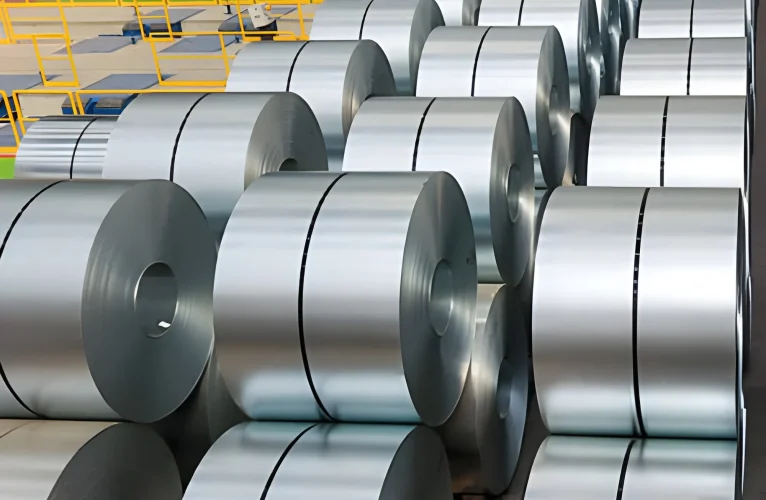
Commercial buildings require materials that offer strength, durability, and long-term value. From office towers and shopping malls to warehouses and industrial facilities, builders need reliable materials that improve performance without increasing unnecessary weight. This is where Aluminium Supplier Singapore solutions play an important role.
Aluminium has become one of the most preferred construction materials because it combines lightweight properties with excellent structural strength. Architects and engineers use aluminium for curtain walls, roofing systems, windows, doors, facades, handrails, and decorative applications. Its versatility makes it suitable for projects of every size.
Working with a trusted Aluminium Supplier Singapore also ensures businesses receive high-quality materials that meet industry standards. Reliable aluminium products help commercial projects achieve greater efficiency, lower maintenance costs, and improved sustainability.
How Does Aluminium Increase Structural Performance?
One of aluminium’s greatest advantages is its impressive strength-to-weight ratio. Unlike many traditional construction materials, aluminium delivers exceptional performance while remaining lightweight.
This reduced weight offers several structural benefits:
- Decreases the overall building load
- Reduces foundation stress
- Simplifies transportation
- Makes installation faster
- Improves construction efficiency
Despite being lightweight, aluminium withstands heavy loads and demanding environmental conditions. This balance of strength and weight makes it ideal for commercial structures where durability and efficiency are equally important.
Construction professionals frequently rely on Aluminium Supplier Singapore products because they can support large architectural designs without compromising structural integrity.
Why Is Corrosion Resistance Important for Commercial Buildings?
Commercial properties remain exposed to changing weather conditions throughout the year. Rain, humidity, sunlight, pollution, and coastal environments can damage many building materials over time.
Aluminium naturally develops a protective oxide layer that prevents corrosion. Unlike steel, which often requires extensive protective coatings, aluminium maintains its appearance and strength with minimal maintenance.
Its corrosion resistance makes it ideal for:
- Office buildings
- Airports
- Shopping centres
- Hotels
- Educational institutions
- Hospitals
- Marine infrastructure
Long-lasting materials reduce maintenance costs while helping commercial buildings maintain a professional appearance for decades.
Can Aluminium Improve Energy Efficiency?
Energy efficiency has become a priority for commercial construction. Modern buildings aim to reduce electricity consumption while maintaining comfortable indoor environments.
Aluminium contributes to energy efficiency in several ways.
Thermally broken aluminium window systems reduce heat transfer between indoor and outdoor spaces. High-performance aluminium curtain walls support insulated glass systems that improve temperature control.
Reflective aluminium roofing materials also reduce solar heat absorption, lowering cooling costs during hot weather.
When combined with energy-efficient glazing, aluminium framing systems help commercial buildings meet green building standards while reducing operating expenses.
These advantages make aluminium an excellent investment for businesses focused on sustainability.
Why Do Architects Prefer Aluminium?
Modern architecture often features clean lines, large glass panels, and creative exterior designs. Aluminium provides the flexibility needed to achieve these architectural goals.
Its excellent fabrication properties allow manufacturers to produce:
- Custom window frames
- Decorative panels
- Louvres
- Curtain wall systems
- Roofing profiles
- Structural framing
- Architectural facades
Aluminium can also be powder coated or anodized in numerous colours and finishes, allowing designers to match virtually any architectural style.
Whether the project features a sleek corporate headquarters or a modern retail complex, aluminium offers unmatched design flexibility.
How Does Aluminium Reduce Construction Time?
Construction schedules directly affect project costs. Delays often lead to increased labour expenses and postponed business operations.
Because aluminium is lightweight and easy to fabricate, contractors install components much faster than heavier materials.
Prefabricated aluminium systems allow:
- Faster assembly
- Easier transportation
- Reduced lifting equipment
- Lower labour requirements
- Quicker project completion
Many commercial developments use modular aluminium components that arrive ready for installation, minimizing onsite fabrication and reducing construction delays.
This improved efficiency benefits both contractors and property owners.
Is Aluminium a Sustainable Building Material?
Sustainability has become one of the most important considerations in modern construction.
Aluminium stands out because it is almost completely recyclable without losing its original properties. Recycled aluminium requires significantly less energy to process compared to producing new aluminium from raw materials.
This recycling capability offers multiple environmental benefits:
- Reduces landfill waste
- Conserves natural resources
- Lowers carbon emissions
- Supports green building certifications
- Promotes circular construction practices
Many commercial projects now prioritize recyclable materials to meet environmental regulations and sustainability goals.
Choosing aluminium helps companies demonstrate environmental responsibility while maintaining excellent building performance.
How Does Aluminium Improve Safety?
Commercial buildings must meet strict safety standards throughout their service life.
Aluminium contributes to safer structures in several important ways.
It is non-combustible, meaning it does not burn or release toxic gases under normal fire conditions. This characteristic improves overall building safety.
Additionally, aluminium maintains excellent structural stability while resisting corrosion and weather-related deterioration.
Its durability also reduces the likelihood of structural failures caused by rust or material degradation.
These qualities make aluminium a dependable choice for commercial applications where occupant safety remains a top priority.
Which Commercial Applications Benefit Most from Aluminium?
Aluminium serves numerous purposes across commercial construction.
Some of the most common applications include:
- Curtain wall systems
- Office partitions
- Roof structures
- Skylights
- Window frames
- Entrance doors
- Balustrades
- Walkways
- Canopies
- Warehouse structures
- Retail storefronts
- Signage systems
- Industrial platforms
- Architectural cladding
Its versatility allows engineers to use a single material across multiple building systems while maintaining consistent quality and appearance.
Why Does Material Quality Matter?
Not all aluminium products deliver the same level of performance.
The quality of raw materials, manufacturing processes, and finishing techniques significantly influence durability and structural reliability.
Working with an experienced supplier ensures consistent product quality, proper certifications, and reliable inventory availability.
Kian Huat Metal Pte Ltd has built a strong reputation by supplying high-quality aluminium materials for commercial, industrial, and engineering applications. Their wide product range helps contractors, fabricators, and construction professionals complete projects with confidence.
Selecting premium aluminium products helps minimize maintenance, reduce replacement costs, and improve long-term building performance.
How Does Aluminium Lower Long-Term Costs?
Although initial material selection plays an important role, lifetime operating costs often determine the true value of a commercial building.
Aluminium offers significant financial advantages over many traditional construction materials.
Property owners benefit from:
- Lower maintenance requirements
- Reduced repair expenses
- Excellent corrosion resistance
- Long service life
- Energy savings
- Improved resale value
Because aluminium rarely requires extensive repainting or rust treatment, maintenance budgets remain lower throughout the building’s lifespan.
The combination of durability and efficiency provides an excellent return on investment for commercial property owners.
Why Choose a Trusted Aluminium Supplier?
Selecting the right supplier is just as important as selecting the right material.
A dependable supplier provides:
- Certified aluminium products
- Consistent inventory
- Technical expertise
- Fast delivery
- Reliable customer support
- Competitive pricing
Businesses that partner with experienced suppliers receive materials that meet project specifications while ensuring consistent quality from start to finish.
Kian Huat Metal Pte Ltd continues to support commercial construction projects by supplying premium aluminium products that meet the evolving needs of modern industries.
Conclusion
Aluminium has transformed commercial construction by offering a unique combination of strength, lightweight performance, corrosion resistance, energy efficiency, and sustainability. These qualities help commercial structures perform better while reducing maintenance costs and improving long-term value.
Whether used for curtain walls, roofing systems, facades, windows, or structural applications, aluminium delivers reliable performance across countless building projects. Choosing a trusted Aluminium Supplier Singapore ensures access to quality materials that support safe, efficient, and durable construction. As commercial buildings continue to evolve, aluminium will remain one of the most valuable materials for creating high-performing, sustainable, and visually impressive structures.


