
Boeing 737 Type Ratings: A Complete Guide to Indian Boeing 737 Type Rating Programs
by Oliver July 16, 2026
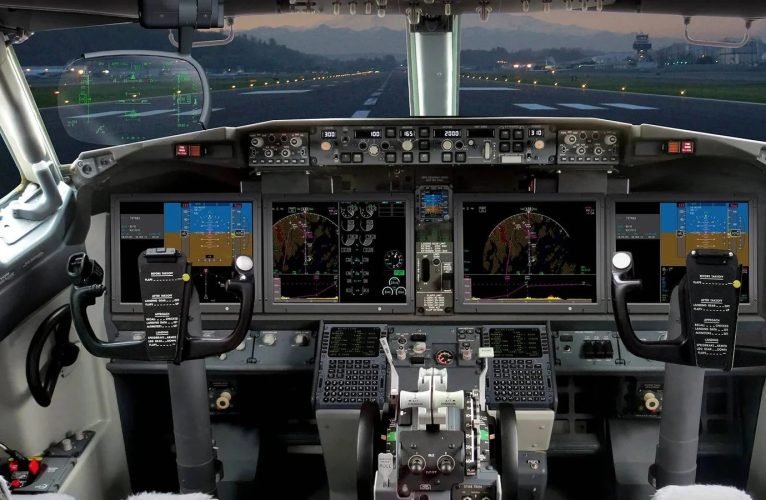
The aviation industry is experiencing steady growth, creating exciting opportunities for commercial pilots worldwide. As airlines continue to expand their fleets, qualified pilots with aircraft-specific certifications are in high demand. Among the most valuable qualifications is the BOEING 737 TYPE RATINGS certification, which enables pilots to operate one of the world’s most successful commercial aircraft. For aspiring aviators in India, obtaining an INDIAN BOEING 737 TYPE RATING can be an important step toward building a rewarding airline career.
In this guide, we’ll explore the importance of BOEING 737 TYPE RATINGS, how an INDIAN BOEING 737 TYPE RATING can support career growth, and what to consider when selecting a training provider.
BOEING 737 TYPE RATINGS are specialized training programs designed to certify commercial pilots to operate Boeing 737 aircraft. Since every commercial aircraft has unique systems, handling characteristics, and operating procedures, pilots must complete approved aircraft-specific training before flying them in airline service.
The Boeing 737 family is widely used by airlines around the globe for domestic, regional, and international routes. Because of its popularity and reliability, holding a Boeing 737 type rating significantly enhances a pilot’s employment prospects.
A typical Boeing 737 type rating program includes:
Successful completion allows the pilot to receive the required aircraft endorsement on their commercial pilot license, subject to the applicable aviation authority’s regulations.
The demand for an INDIAN BOEING 737 TYPE RATING has increased as India’s aviation sector continues to expand. With more airlines operating Boeing 737 aircraft and increasing passenger traffic, pilots with this qualification are well-positioned to pursue exciting career opportunities.
An INDIAN BOEING 737 TYPE RATING typically follows internationally recognized training standards and combines classroom learning with advanced simulator sessions. The goal is to prepare pilots for real airline operations while ensuring they meet the operational and safety requirements expected by commercial airlines.
Training programs often emphasize:
These elements help pilots transition smoothly from training into airline environments.
Choosing to pursue BOEING 737 TYPE RATINGS offers several long-term advantages.
Since the Boeing 737 remains one of the most widely operated aircraft globally, qualified pilots have access to employment opportunities with numerous domestic and international airlines.
Type rating training develops technical expertise, operational discipline, and decision-making skills that are essential for commercial airline operations.
Approved BOEING 737 TYPE RATINGS are based on internationally accepted aviation standards. Depending on licensing and regulatory requirements, they may support career opportunities in different parts of the world.
Most modern training organizations structure their courses to mirror airline operations, helping pilots gain confidence before entering line flying.
An INDIAN BOEING 737 TYPE RATING offers several advantages for pilots planning to build careers within India or expand internationally.
Some key benefits include:
When selecting a training organization, pilots should verify that the course is approved by the appropriate aviation authority and delivered using certified simulator facilities.
Whether you’re pursuing BOEING 737 TYPE RATINGS or an INDIAN BOEING 737 TYPE RATING, choosing the right training organization is crucial.
Consider the following factors:
Investing in quality training not only improves your technical knowledge but also strengthens your confidence during airline recruitment processes.
Pilots who complete BOEING 737 TYPE RATINGS may pursue careers with:
An INDIAN BOEING 737 TYPE RATING can also provide a strong foundation for pilots seeking opportunities with airlines operating within India, while also supporting future international career ambitions where licensing requirements are met.
Earning BOEING 737 TYPE RATINGS is an important milestone for commercial pilots who aspire to fly one of the world’s most successful narrow-body aircraft. The combination of advanced classroom instruction, simulator training, and airline-oriented operational procedures prepares pilots for the challenges of modern commercial aviation.
For aspiring aviators, an INDIAN BOEING 737 TYPE RATING offers a practical pathway to gain valuable aircraft-specific qualifications while taking advantage of India’s expanding aviation sector. By choosing an approved training provider, focusing on professional development, and maintaining high operational standards, pilots can position themselves for a successful and rewarding career in the global airline industry.

Choosing the right paving material can completely change the appearance, comfort, and functionality of an...

Your wedding day is filled with meaningful moments, genuine emotions, laughter, and beautiful memories. While...

Silverfish may look small and harmless, but a growing infestation can create serious problems inside...