
Artificial Grass Adhesive Guide: Choosing the Right Adhesive for Artificial Grass to Concrete
by Oliver April 8, 2026
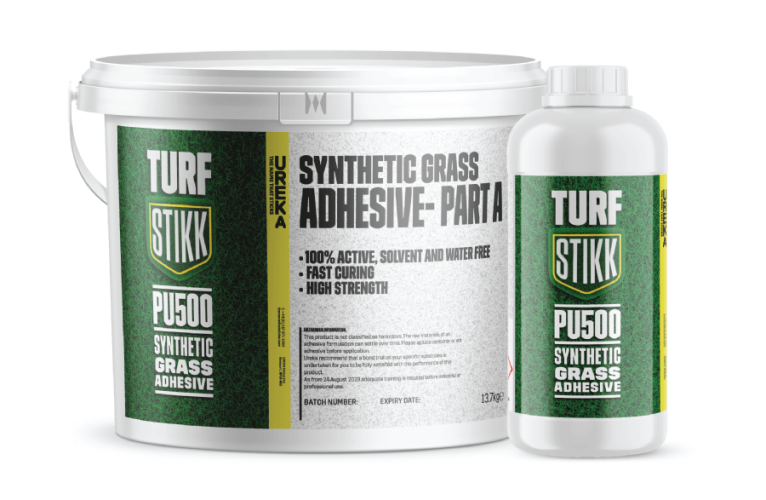
Artificial grass has become a go-to solution for modern outdoor and indoor spaces, offering a clean, green look without the hassle of regular maintenance. Whether you’re upgrading a patio, balcony, or garden, proper installation is key to achieving long-lasting results. One of the most important factors in this process is selecting the right Artificial Grass Adhesive, especially when applying turf on hard surfaces like concrete.
In this blog, we’ll explore how to choose the best adhesive for artificial grass to concrete, along with tips to ensure a strong and durable installation.
What is Artificial Grass Adhesive?
Artificial Grass Adhesive is a specially formulated bonding material used to secure synthetic turf to different surfaces, including soil, wood, and concrete. It is designed to provide a strong hold while remaining flexible enough to handle temperature changes and movement.
Unlike regular glue, this adhesive is made for outdoor use, meaning it can withstand moisture, heat, and heavy foot traffic.
Why You Need Adhesive for Artificial Grass to Concrete
Installing artificial grass on concrete requires a different approach compared to soil or sand bases. Since concrete is a non-porous surface, the adhesive must create a reliable bond without slipping or peeling.
Using the right adhesive for artificial grass to concrete ensures:
Without proper adhesive, the turf may lift at the edges or develop uneven areas.
Types of Artificial Grass Adhesives for Concrete
Choosing the right Artificial Grass Adhesive depends on your project requirements. Here are the most common types:
1. Polyurethane Adhesive
This is one of the most popular options for concrete surfaces.
Benefits:
It is widely considered a reliable adhesive for artificial grass to concrete.
2. Acrylic-Based Adhesive
Acrylic adhesives are easy to apply and suitable for lighter applications.
Benefits:
3. Two-Part Adhesive Systems
These are typically used for professional installations.
Benefits:
How to Apply Artificial Grass Adhesive on Concrete
For the best results, proper application of Artificial Grass Adhesive is essential. Follow these steps:
1. Clean the Surface
Ensure the concrete is free from dust, dirt, grease, and moisture. A clean surface improves adhesion.
2. Check for Leveling
Make sure the concrete is even. Fill any cracks or holes before installation.
3. Lay the Grass
Position the artificial turf and trim it to fit the area perfectly.
4. Apply the Adhesive
Spread the adhesive for artificial grass to concrete evenly along the edges and key contact areas.
5. Press the Turf
Carefully press the grass onto the adhesive, ensuring proper alignment.
6. Apply Pressure
Use a roller or walk over the surface to secure the bond.
7. Allow to Cure
Let the adhesive dry completely before using the area.
Tips for a Strong and Lasting Bond
To get the most out of your Artificial Grass Adhesive, consider these practical tips:
These steps will help ensure a durable and professional installation.
Common Mistakes to Avoid
Even the best adhesive for artificial grass to concrete can fail if not used correctly. Avoid these common mistakes:
Avoiding these issues will improve both the appearance and lifespan of your artificial grass.
Benefits of Using the Right Adhesive
Choosing the correct Artificial Grass Adhesive offers several advantages:
A strong adhesive ensures that your artificial grass remains stable and visually appealing for years.
Conclusion
Installing artificial grass on concrete can transform any space into a beautiful, low-maintenance area—but success depends heavily on the adhesive you choose. Using a high-quality Artificial Grass Adhesive and the right adhesive for artificial grass to concrete ensures a secure, durable, and professional finish.
By understanding the different adhesive types and following proper installation techniques, you can achieve a long-lasting result that enhances both the look and functionality of your space.

Braided hairstyles have long been a favorite choice for their versatility and beauty. However, with...

Businesses across industries depend heavily on high-quality materials to ensure durability, safety, and long-term performance....
Braid wigs have become a popular choice for people who want stylish, low-maintenance hair without...