
Shoulder Brace: A Practical Guide to Choosing the Right Support for Recovery and Daily Comfort
by Oliver July 20, 2026
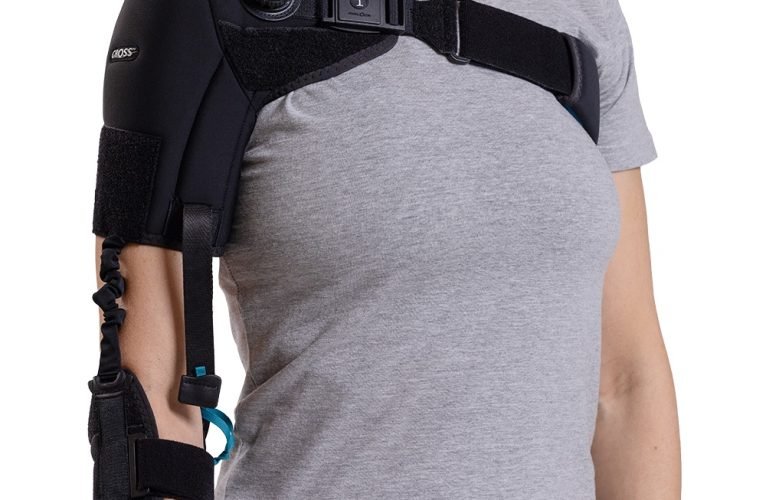
Shoulder pain or instability can affect everything from lifting groceries to participating in sports or completing everyday tasks. Whether you’re recovering from a minor injury, managing repetitive strain, or looking for extra joint support during physical activity, a shoulder brace can provide added stability and comfort. Choosing a brand name shoulder brace made with quality materials and an ergonomic design can help ensure a secure fit and dependable performance.
This guide explains the benefits of shoulder braces, the different types available, and the key features to consider when selecting one that suits your needs.
The shoulder is one of the body’s most mobile joints, allowing a wide range of motion. However, this flexibility also makes it more vulnerable to strains, overuse, and certain injuries.
A shoulder brace is designed to provide external support by helping stabilize the joint, encouraging proper alignment, and offering gentle compression. While it is not a substitute for professional medical care, it can complement a treatment or rehabilitation plan when recommended by a healthcare provider.
People commonly use shoulder braces to:
A brand name shoulder brace is often manufactured with a strong focus on durability, fit, and user comfort. Established manufacturers typically invest in product development, quality testing, and ergonomic design to create braces that provide reliable support.
Benefits of choosing a reputable brand may include:
Selecting a well-designed brace can improve the overall wearing experience, particularly for individuals who need support throughout the day.
Different shoulder conditions require different levels of support. Understanding the available options helps you choose the most appropriate brace.
Compression sleeves provide gentle pressure around the shoulder to support movement while maintaining flexibility. They are lightweight and suitable for everyday activities.
These braces offer additional support through adjustable straps that help limit excessive movement while allowing controlled mobility.
Immobilizers are designed to significantly restrict shoulder movement during recovery from certain injuries or surgical procedures. They should generally be used under medical supervision.
Some shoulder braces are designed to encourage improved posture by supporting the upper back and shoulders during daily activities.
Choosing the right shoulder brace involves evaluating several important features beyond appearance.
Lightweight, moisture-wicking fabrics improve comfort by helping reduce heat buildup during prolonged wear.
Multiple adjustable straps allow users to customize compression and support without restricting circulation.
A brace that follows the natural contours of the shoulder provides better stability while maintaining comfort throughout movement.
High-quality stitching and resilient materials contribute to longer product life, particularly for active users.
A brand name shoulder brace may be suitable for individuals who participate in activities that place repeated stress on the shoulder joint.
Examples include:
Anyone experiencing persistent pain or significant injury should consult a healthcare professional before using a brace.
Selecting the right brace depends on your individual requirements rather than simply choosing the most supportive option.
Consider these factors:
Determine whether the brace will be used during sports, work, rehabilitation, or everyday activities.
Always follow the manufacturer’s sizing instructions. A properly fitted brace should feel secure without causing discomfort or restricting circulation.
Choose a compression sleeve for light support or a stabilizing brace when additional joint control is needed.
If you’ll wear the brace for extended periods, prioritize breathable materials and adjustable straps for improved comfort.
To get the most benefit from your brace:
Proper care helps maintain the performance of your brand name shoulder brace.
Recommended maintenance includes:
Routine maintenance helps preserve support and comfort over time.
Many users unintentionally reduce the effectiveness of their brace.
Avoid these common mistakes:
A shoulder brace works best as part of a broader approach that may include exercise, rest, ergonomic adjustments, or professional medical care.
Selecting the right shoulder brace can provide valuable support for individuals managing everyday strain, recovering from minor injuries, or seeking additional stability during physical activity. By focusing on proper fit, breathable materials, adjustable support, and durable construction, you can find a brace that enhances both comfort and confidence.
A brand name shoulder brace offers the added reassurance of quality manufacturing and thoughtful design, making it a worthwhile consideration for long-term use. When combined with appropriate rehabilitation and guidance from a healthcare professional when needed, a well-fitted shoulder brace can support healthy movement and improved daily function.
A shoulder brace provides external support to help stabilize the shoulder joint, reduce strain, and assist with recovery from certain injuries or repetitive use.
Consider the level of support you need, your intended activity, the correct size, material quality, and adjustability for a comfortable fit.
Many shoulder braces are designed for athletic activities, but the appropriate type depends on the sport and your specific support requirements.
A shoulder brace should fit securely without causing numbness, tingling, discomfort, or restricting normal blood circulation.
Follow the manufacturer’s care instructions, clean it regularly, allow it to air dry, and inspect it periodically for signs of wear.

Hyperbaric oxygen therapy has become an increasingly recognized approach in modern healthcare and wellness settings....

A straight, confident smile can make a big difference in how you look and feel....

Pilates has become a popular way to build strength, improve flexibility, and support better body...