
Losing teeth can affect more than just your smile. Missing teeth can make it harder to chew food, speak clearly, and maintain confidence in daily life. Fortunately, modern dentistry offers reliable solutions like dentures and implants to restore missing teeth and improve oral function.
Dentures are removable dental appliances designed to replace several missing teeth or a complete set of teeth. They help restore the appearance of your smile while allowing you to eat and speak more comfortably. Dental implants, on the other hand, are permanent tooth replacement options that use titanium posts placed into the jawbone to support crowns, bridges, or implant-supported dentures.
Choosing between these treatments depends on your oral health, lifestyle, bone structure, and personal goals. At Edge Dental, professionals evaluate each patient carefully to recommend the most suitable solution for restoring a healthy and natural-looking smile.
Who Is a Good Candidate for Dentures?
Dentures can benefit many people who have experienced significant tooth loss. A good candidate for dentures usually has multiple missing teeth, severe tooth damage, or advanced gum disease that has affected their ability to keep natural teeth.
Patients who may benefit from dentures include:
- Individuals missing several or all teeth
- People with weakened or damaged teeth that cannot be restored
- Patients looking for an affordable tooth replacement option
- Those who want to improve chewing ability and facial appearance
- Individuals who are not candidates for dental implants due to bone loss or health concerns
Dentures provide support for facial muscles and prevent the sunken appearance that can occur after tooth loss. They also help patients regain confidence by creating a complete and attractive smile.
Before recommending dentures, a dentist examines the condition of your gums, remaining teeth, and jawbone. A proper evaluation ensures that your dentures fit comfortably and provide long-lasting results.
Who Is a Good Candidate for Dental Implants?
Dental implants are an excellent option for patients who want a more permanent solution for missing teeth. However, not everyone is immediately ready for implants. A successful implant procedure requires healthy gums, adequate jawbone density, and good overall oral health.
Ideal candidates for dental implants often include:
- Adults with one or more missing teeth
- Patients with healthy gums and strong oral hygiene habits
- Individuals with enough jawbone support for implant placement
- People looking for a long-term tooth replacement option
- Patients who want a stable alternative to removable dentures
Dental implants closely mimic natural teeth because they replace both the tooth root and visible crown. They provide strong support, improve chewing efficiency, and help maintain jawbone health by stimulating the bone.
Patients with insufficient bone volume may still qualify after procedures such as bone grafting. A dentist can determine whether additional treatment is needed before implant placement.
Can Dentures and Implants Work Together?
Many patients think they must choose between dentures and implants, but these treatments can also work together. Implant-supported dentures combine the benefits of both options by using dental implants to secure removable dentures in place.
Traditional dentures may sometimes shift while eating or speaking. Implant-supported dentures offer improved stability because the implants anchor the dentures securely. This option allows patients to enjoy better comfort, confidence, and chewing ability.
Patients who have experienced complete tooth loss but want a more stable solution often consider implant-supported dentures. A dental professional can explain whether this treatment matches your needs and expectations.
What Factors Determine Candidacy for Dentures and Implants?
Several factors influence whether dentures or implants are the right choice. A dentist considers your oral condition, medical history, and personal preferences before creating a treatment plan.
Important factors include:
Oral Health Condition
Healthy gums are essential for successful tooth replacement. Gum infections or untreated dental problems may need to be addressed before receiving dentures or implants.
Jawbone Strength
Dental implants require sufficient bone support to remain secure. Patients with bone loss may need additional procedures before implant treatment. Dentures may be a better option for individuals with limited bone structure.
Overall Health
Certain health conditions or lifestyle habits may affect healing after implant surgery. Your dentist will review your health history to determine the safest and most effective treatment approach.
Lifestyle Preferences
Some patients prefer a removable option that is easy to maintain, while others want a permanent restoration that feels similar to natural teeth. Understanding your daily needs helps your dentist recommend the right choice.
What Are the Benefits of Dentures?
Dentures continue to be a popular choice because they provide several important benefits. They offer a practical solution for people who need to replace multiple missing teeth.
The advantages of dentures include:
- Restored smile appearance
- Improved ability to chew food
- Better speech clarity
- Support for facial structure
- A cost-effective tooth replacement solution
Modern dentures are designed to look more natural than traditional options. Dentists use advanced materials and customized designs to create comfortable restorations that match each patient’s facial features.
What Are the Benefits of Dental Implants?
Dental implants provide a strong and durable solution for tooth loss. Because implants integrate with the jawbone, they create a stable foundation that feels more like natural teeth.
Key benefits of dental implants include:
- Long-lasting tooth replacement
- Improved chewing strength
- Natural appearance
- Prevention of jawbone deterioration
- Increased comfort and confidence
With proper care and regular dental visits, implants can provide reliable results for many years. They also eliminate many concerns associated with removable dental appliances.
How Can You Decide Between Dentures and Implants?
Selecting between dentures and implants requires a personalized dental evaluation. Every patient has different needs, and the best option depends on factors such as tooth loss, bone health, budget, and long-term goals.
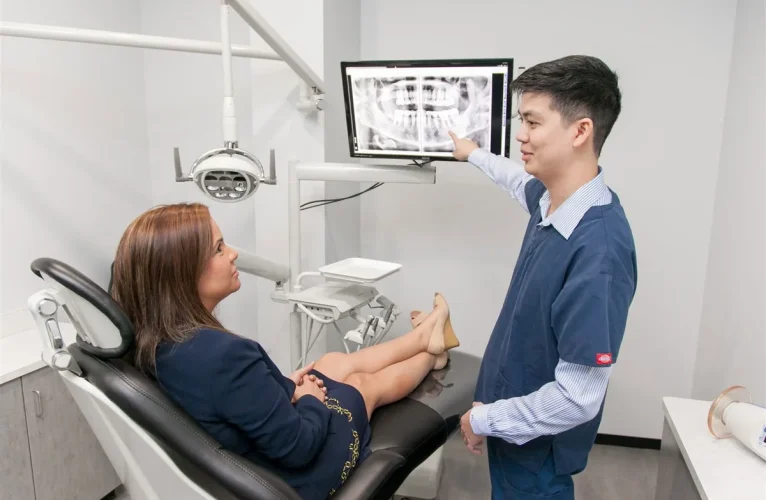
A dentist will typically perform an oral examination, review dental images, and discuss your expectations. This process helps create a treatment plan that improves both function and appearance.
At Edge Dental, patients receive guidance throughout the decision-making process. The team focuses on understanding each patient’s concerns and recommending treatments that support a healthier, more confident smile.
Why Should You Consult a Dentist About Dentures and Implants?
Professional guidance is essential when considering tooth replacement options. Trying to choose a treatment without a complete evaluation can lead to discomfort or unsatisfactory results.
A qualified dentist can explain the differences between dentures and implants, answer your questions, and help you understand what to expect during treatment. Early consultation also allows you to explore available options before dental problems become more complex.
Replacing missing teeth can improve your quality of life by restoring comfort, confidence, and oral function. Whether you need dentures, implants, or a combination of both, modern dentistry provides solutions designed to meet different needs.
Conclusion
A good candidate for dentures and implants depends on several factors, including the number of missing teeth, gum health, jawbone condition, and personal preferences. Dentures offer an effective solution for many patients, while implants provide a permanent and stable option for those who qualify.
With the right dental evaluation and treatment plan, you can achieve a healthier smile and improved daily comfort. Consulting experienced professionals like Edge Dental can help you discover the most suitable option for restoring your teeth and confidence.


