
Advanced Surgical Applications of Polyamide Suture and Chromic catgut suture
by Jack Brown June 8, 2026
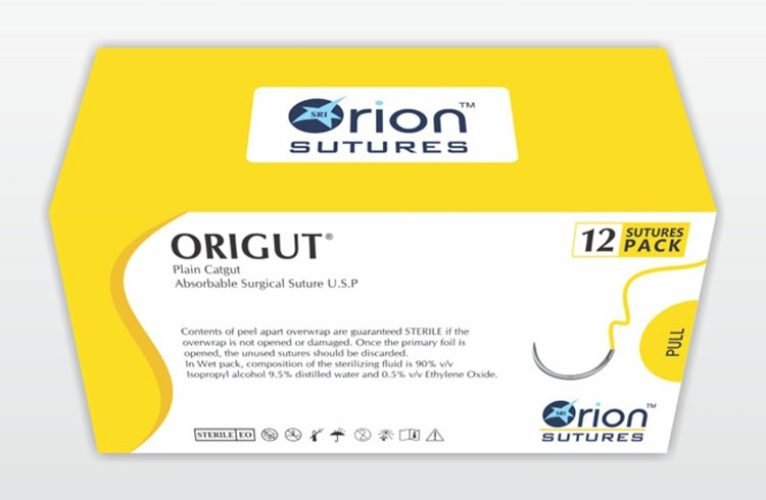
The medical field continues to evolve with innovations that improve surgical precision, patient recovery, and overall outcomes. Among the essential tools in modern surgery, sutures play a critical role in wound closure and tissue healing. Two widely used materials in surgical practice are Polyamide Suture and Chromic catgut suture, each offering distinct characteristics suited for different medical applications.
Polyamide Suture is a synthetic, non-absorbable suture known for its exceptional tensile strength and minimal tissue reactivity. It is commonly used in procedures where long-term wound support is required. Surgeons prefer Polyamide Suture for skin closure, plastic surgery, and ophthalmic procedures due to its smooth surface and ability to glide easily through tissue. Its monofilament structure reduces the risk of infection, making Polyamide Suture a reliable choice in delicate surgical environments.
On the other hand, Chromic catgut suture is a natural absorbable suture derived from purified connective tissue. It is treated with chromium salts to enhance its durability and delay absorption. This makes Chromic catgut suture particularly useful in internal tissue repair where temporary support is sufficient. The gradual absorption of Chromic catgut suture eliminates the need for suture removal, providing convenience for both surgeons and patients.
In surgical practice, the selection between Polyamide Suture and Chromic catgut suture depends on several factors, including the type of tissue, healing time, and risk of infection. For external wounds requiring prolonged support, Polyamide Suture is often the preferred option. Its non-absorbable nature ensures that the wound remains securely closed until complete healing occurs. Additionally, Polyamide Suture maintains its strength over time, making it suitable for high-tension areas.
Conversely, Chromic catgut suture is ideal for procedures involving internal organs or soft tissues where healing occurs relatively quickly. The absorbable property of Chromic catgut suture allows it to break down naturally within the body, reducing the need for follow-up interventions. This feature is particularly beneficial in gynecological, urological, and gastrointestinal surgeries where internal suturing is required.
Another important consideration is tissue reaction. Polyamide Suture is known for causing minimal inflammatory response, which is crucial in surgeries where cosmetic outcomes are important. For instance, in facial surgeries, the use of Polyamide Suture helps achieve cleaner scars and better aesthetic results. In contrast, Chromic catgut suture may cause a mild inflammatory reaction due to its natural origin, but this is generally well-tolerated and contributes to the healing process.
Sterilization and handling also play a significant role in suture selection. Polyamide Suture is typically sterilized using advanced methods that ensure maximum safety and reliability. Its flexibility and strength make it easy for surgeons to handle during procedures. Similarly, Chromic catgut suture is processed to maintain sterility while preserving its Natural properties, ensuring safe application in surgical settings.
Leading manufacturers like Orion Sutures India Private Limited focus on delivering high-quality Polyamide Suture and Chromic catgut suture products that meet international standards. Their commitment to innovation and quality assurance ensures that healthcare professionals have access to reliable surgical materials. By maintaining strict quality control, Orion Sutures India Private Limited supports the medical community in achieving optimal patient outcomes.
Cost-effectiveness is another factor influencing the use of Polyamide Suture and Chromic catgut suture. While Polyamide Suture may be slightly more expensive due to its synthetic composition and durability, it offers long-term value in procedures requiring extended wound support. In contrast, Chromic catgut suture is often more economical and suitable for procedures where temporary support is sufficient.
Environmental considerations are also becoming increasingly important in healthcare. Chromic catgut suture, being a natural product, is biodegradable and aligns with sustainable medical practices. Meanwhile, Polyamide Suture continues to evolve with advancements aimed at reducing environmental impact without compromising performance.
In conclusion, both Polyamide Suture and Chromic catgut suture play vital roles in modern surgical procedures. Their unique properties make them suitable for different medical applications, allowing surgeons to choose the most appropriate option based on specific needs. Understanding the differences between Polyamide Suture and Chromic catgut suture is essential for achieving effective wound closure and promoting optimal healing outcomes.
tags:

Breakout trading can offer strong opportunities when price moves beyond an important support or resistance...

Kenya offers much more than classic safari lodges and busy tourist hotels. For travelers who...

An ice maker needs a steady supply of water to produce ice properly. When water...