
Comprehensive Guide to Professional Driving Education in Northern Virginia
by Jack Brown June 1, 2026
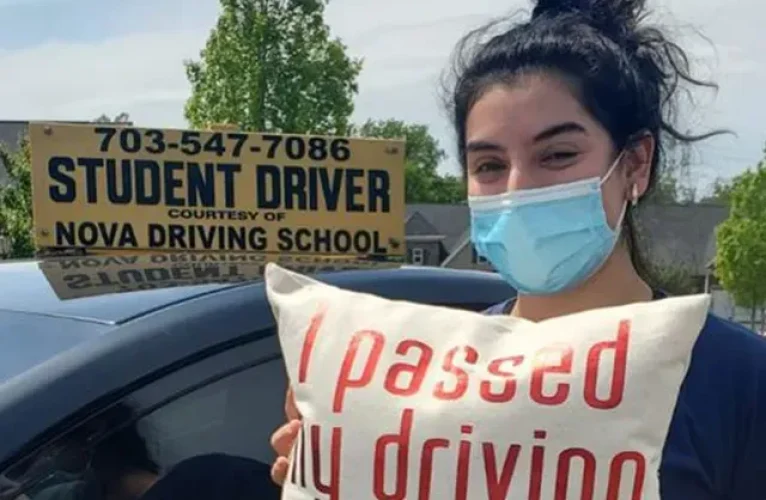
Learning to drive is a major milestone that requires structured guidance, patience, and professional instruction. Across Northern Virginia, learners benefit from well-established training systems that focus on safety, confidence, and long-term driving responsibility. A structured approach ensures that students not only pass their driving tests but also develop lifelong skills for safe road behavior. One such provider, novadriving, emphasizes disciplined training methods designed to prepare learners for real-world driving challenges.
Driver education in this region is widely accessible, with multiple local training centers serving different communities. Students often begin their journey at Driving School Sterling, where foundational skills such as steering control, braking, and lane discipline are introduced. Similarly, Driving School Reston offers structured learning environments that help beginners understand traffic flow and basic road navigation. In growing suburban areas, Driving School Brambleton provides modern instruction that aligns with evolving traffic patterns and residential road systems. These early stages are crucial for building confidence and eliminating fear in new drivers.
As learners progress, they transition into more comprehensive training programs. Driving School Fairfax focuses on combining theoretical knowledge with hands-on experience, ensuring students understand both traffic laws and practical driving techniques. Meanwhile, Driving School Fairfax Station emphasizes defensive driving strategies that prepare students for unexpected road situations. Driving School Chantilly provides a balanced curriculum that includes highway driving, intersection handling, and parking techniques, helping learners become well-rounded drivers. These programs ensure gradual skill development through consistent practice.
In addition to these foundational centers, Driving School Aldie and Driving School Ashburn cater to students in expanding residential areas where structured driving practice is essential. These schools focus on building confidence through repetitive training and guided supervision. Learners are taught how to handle low-traffic and moderate-traffic environments effectively, which forms the base for more advanced driving skills.
For students in more densely populated regions, Driving School Leesburg, Driving School Manassas, and Driving School Manassas Park offer advanced instruction tailored to complex road conditions. These programs emphasize real-world driving exposure, including busy intersections, multi-lane roads, and highway merging. Students are trained to develop quick decision-making abilities and strong situational awareness, which are essential for safe driving in high-traffic areas.
Further supporting regional learners, Driving School Herndon and Driving School Dale City provide structured lessons that focus on vehicle control, road discipline, and defensive driving. These programs help students refine their skills through continuous practice and instructor feedback. At the county level, Driving School Fairfax County ensures standardized instruction across multiple locations, maintaining consistency in teaching quality and safety standards.
In addition, Driving School Triangle, Driving School South Riding, and Driving School Lorton extend driver education accessibility to a wider population. These schools focus on real-world readiness by exposing learners to diverse traffic conditions, including residential streets, commercial zones, and highway systems. The goal is to prepare students for all types of driving environments through practical, supervised experience.
Professional driving instruction is not limited to vehicle handling alone; it also includes developing responsible behavior and decision-making skills. Structured programs supported by novadriving ensure that learners are trained in hazard perception, speed management, and safe following distances. These skills are critical for reducing road accidents and improving overall traffic safety in the region.
A key component of modern driver education is the combination of classroom learning and on-road practice. Classroom sessions cover essential topics such as traffic laws, road signs, and defensive driving principles. Practical sessions allow students to apply this knowledge in real driving conditions, reinforcing learning through experience. This dual approach ensures that learners retain information effectively and develop confidence behind the wheel.
tags:

Learning to drive is an important step toward independence, responsibility, and everyday convenience. Choosing a...

Croatia’s Adriatic coastline offers an exceptional combination of natural beauty, historic destinations, crystal-clear waters, and...

Reliable transportation plays an important role in making everyday travel easier. Whether passengers are traveling...