
Veneer Adhesive and Cold Press Veneer Glue: Essential Solutions for Professional Veneering
by Oliver May 13, 2026
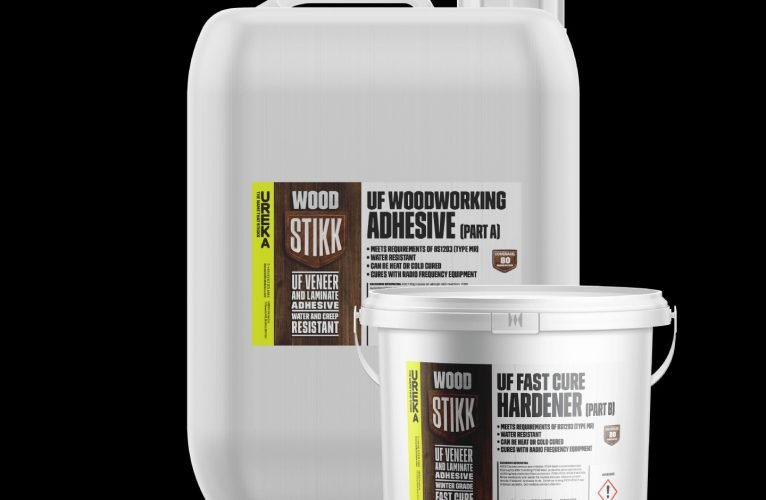
Wood veneer has become an important material in modern furniture manufacturing, interior decoration, cabinetry, and architectural design. Veneers offer the natural beauty of wood while providing a cost-effective and versatile solution for creating elegant surfaces. However, achieving a smooth, durable, and professional veneer finish depends heavily on selecting the right adhesive.
Among the many adhesive options available today, veneer adhesive and cold press veneer glue are widely preferred for their strong bonding performance and ease of application. These adhesives help create long-lasting veneer surfaces while reducing issues such as bubbling, peeling, and uneven finishing.
Whether you are a professional woodworker, furniture manufacturer, interior designer, or DIY enthusiast, understanding veneer adhesives can help improve the quality and durability of your projects.
Veneer adhesive is a specially formulated glue designed to bond thin wood veneer sheets to substrates such as plywood, MDF, particle board, or solid wood. Unlike regular wood glue, veneer adhesives are designed to provide even coverage, strong bonding, and smooth finishing without damaging delicate veneer surfaces.
A quality veneer adhesive should offer:
These properties help ensure that veneer sheets remain firmly attached and visually appealing over time.
Proper veneer bonding is essential because veneers are thin and sensitive materials. Poor adhesive selection can lead to several problems, including:
Using the correct veneer adhesive improves structural stability and helps maintain the natural beauty of wood veneer surfaces.
Cold press veneer glue is a specialized adhesive designed for veneer applications that do not require heat pressing. Unlike hot press systems used in industrial manufacturing, cold press adhesives cure at room temperature using pressure from clamps, rollers, or veneer presses.
Cold press veneer glue is highly popular in woodworking because it allows veneer application without expensive heating equipment.
This type of adhesive is commonly used for:
Cold press adhesives are especially useful for large veneer surfaces and curved applications.
Cold press glue can be applied using standard woodworking tools and equipment.
The adhesive creates durable and long-lasting veneer bonds.
Cold pressing eliminates the need for expensive hot press machinery.
Proper application helps prevent bubbles, wrinkles, and uneven surfaces.
Cold press veneer glue works well for wide veneer panels and decorative surfaces.
Different types of adhesives are used depending on project requirements and working conditions.
PVA-based adhesives are among the most common veneer glues because of their strong bonding and easy cleanup.
Advantages include:
This adhesive is commonly used in professional veneer pressing because it provides rigid and stable bonding.
Benefits include:
Contact adhesives provide instant bonding and are often used for curved surfaces and large veneer sheets.
Epoxy glues are suitable for specialty veneer applications and uneven surfaces requiring extra strength.
Veneer adhesives are essential for producing luxury furniture with premium wood finishes.
Wall panels, decorative ceilings, and wooden interiors often use veneer surfaces for elegant appearance.
Cabinetmakers use veneer glue for smooth and durable decorative surfaces.
Hotels, offices, restaurants, and retail stores use veneer finishes to create sophisticated interior designs.
Flush doors and decorative wooden doors commonly rely on veneer adhesives.
Proper application techniques are essential for achieving professional-quality results.
Ensure the substrate surface is smooth, clean, and dry before applying glue.
Spread the glue uniformly across the entire bonding surface to avoid weak spots.
Place the veneer sheet accurately before applying pressure.
Cold press veneer glue requires consistent pressure during curing for strong bonding.
Do not remove clamps or sand the surface until the adhesive has fully cured.
Usually caused by uneven glue application or insufficient pressure.
Weak adhesive bonding or improper curing can cause edges to lift over time.
Excess glue may seep through thin veneer sheets and affect finishing quality.
Improper adhesive flexibility or environmental changes may damage veneer surfaces.
When selecting a veneer adhesive, consider the following factors:
Natural wood veneers, engineered veneers, and decorative veneers may require different adhesive formulations.
Outdoor or humid environments require moisture-resistant adhesives.
Cold press systems require adhesives designed specifically for room-temperature curing.
Fast-curing adhesives improve efficiency for commercial woodworking projects.
The woodworking industry continues to improve adhesive technologies with advanced formulations offering:
These innovations improve both manufacturing quality and environmental sustainability.
Choosing the right veneer adhesive is essential for achieving durable, smooth, and professional-quality veneer finishes. Whether you are working on furniture, cabinetry, decorative interiors, or architectural woodwork, a reliable adhesive helps ensure strong bonding and long-lasting performance.
Cold press veneer glue remains one of the most practical and effective solutions for veneer applications because it provides strong adhesion without requiring expensive heat-press equipment. By selecting the proper adhesive and following correct application techniques, woodworkers and designers can create beautiful veneer surfaces with excellent durability and appearance.

Breakout trading can offer strong opportunities when price moves beyond an important support or resistance...

Kenya offers much more than classic safari lodges and busy tourist hotels. For travelers who...

An ice maker needs a steady supply of water to produce ice properly. When water...